
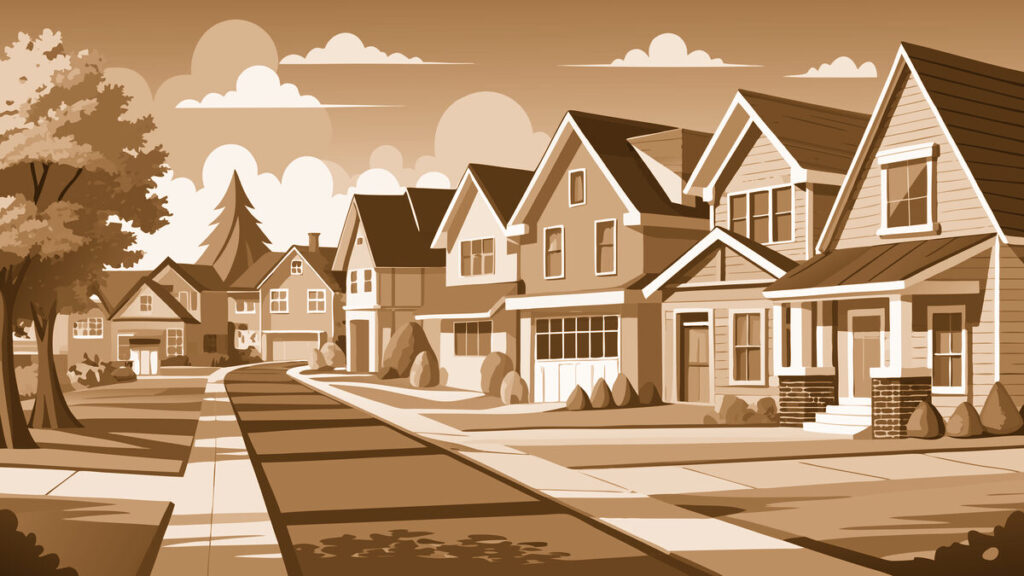
Nestled in East Long Beach, the Palo Verde neighborhood is a community that blends timeless appeal with the solid character of mid-century Southern California. Known for its tree-lined streets, welcoming parks, and enduring sense of community, Palo Verde’s history is a tapestry woven from early development, suburban expansion, and a resilience that continues to define it today. Whether you’re a lifelong resident or a newcomer, understanding Palo Verde’s journey deepens appreciation for the vibrant life it enjoys now.
Origins: Roots in Postwar Long Beach
The story of Palo Verde begins in the aftermath of World War II, at a time when Long Beach transformed from a sleepy port town into a suburb booming with promise. The East Long Beach area, now home to Palo Verde, was once an expanse of agricultural land dotted with ranches and open fields. As veterans returned home and families looked for a new start, developers eyed these fertile tracts for housing.
By the early 1950s, this area started to take shape as a planned residential community. The neighborhood drew inspiration from its natural surroundings, adopting the name “Palo Verde”—Spanish for “green stick” or "green tree"—from the hardy desert trees native to the Southwest. While palo verde trees are not native to the immediate environment, their name symbolized growth, endurance, and a fresh start, qualities embraced by the newcomers building lives here.
How Palo Verde Got Its Name
The green-and-gold palo verde tree, known for its resilience in arid environments and vibrant spring blooms, became a fitting symbol for the new neighborhood. Developers sought evocative, botanical names when laying out the eastside grid: nearby El Dorado Park, Los Altos (“the heights”), and the string of tree-named streets—such as Willow, Walnut, and Palo Verde Avenue itself—reflect this thematic approach.
Palo Verde Avenue, the neighborhood’s main artery, inspired the name for the entire community. Running north-south from Spring Street to Atherton Street and beyond, it became the backbone around which daily life revolved.
Key Historical Milestones
Palo Verde’s key historical milestones echo the growth of Long Beach itself. Here are a few of its defining moments:
- The Housing Boom (1950s-1960s): The majority of the classic postwar homes—low-slung, ranch-style residences—sprang up during this era, with many still standing, lovingly maintained or tastefully updated by current residents.
- Establishment of El Dorado Park (1955-1960): Just to the east of Palo Verde, this sprawling park became a vital green space for the neighborhood, offering miles of trails, serene lakes, and gathering spaces for picnics and family outings.
- Palo Verde Library (Opened 1962): This branch of the Long Beach Public Library, located on Palo Verde Avenue near Stearns Street, quickly became a hub of neighborhood activity and learning.
- Development of UC Long Beach (Founded 1949, expanded 1960s-1970s): California State University, Long Beach (CSULB), just south of Palo Verde, fostered a community of educators, students, and staff, deepening Palo Verde’s roots in academic and cultural life.
Notable Landmarks and Institutions
Life in Palo Verde has always centered on connection—neighbors gathering, families playing in the park, students walking to local schools. Here are a few landmarks that have anchored the neighborhood through the decades:
- Palo Verde Park: Tucked at the corner of Palo Verde Avenue and East Spring Street, this well-loved park offers expansive lawns, a playground, and sports facilities, serving as the backdrop for countless family celebrations, weekend games, and annual neighborhood events.
- Patrick Henry Elementary School: For generations, this public school on East Barbanell Street has offered education and community engagement, shaping young minds and hearts in the heart of the neighborhood.
- Palo Verde Library: Though its role has evolved in the digital age, the library remains a treasured resource for book lovers and lifelong learners.
Other nearby institutions—including Millikan High School on Snowden Avenue and the bustling shops and cafés along East Stearns Street—have woven themselves into the daily rhythm of Palo Verde life.
Neighborhood Evolution: From Past to Present
Decade by decade, Palo Verde has balanced the character of a classic suburban community with the needs of modern living.
- 1960s-1980s: The neighborhood matured as families settled in, and local schools and parks bustled with activity. The presence of CSULB created a stable, educated population base, and the neighborhood’s central location allowed easy access to both downtown Long Beach and the wider Los Angeles area via the 405 and 605 freeways.
- 1990s-2000s: As homes changed hands, a new wave of young families and professionals were drawn to Palo Verde’s sturdy homes, walkable streets, and excellent schools.
- 2010s-present: Historic preservation and renovation have become more common, as neighbors take pride in maintaining and updating classic homes while honoring their architectural roots. Community groups, local events, and neighborhood improvement projects—such as the Palo Verde Neighborhood Association—keep the spirit of togetherness alive.
What Makes Palo Verde Special Today
Talk to any longtime Palo Verde resident, and you’ll hear stories about block parties on Stearnlee Avenue, evenings spent under mature sycamores, or spontaneous gatherings at Palo Verde Park. The sense of belonging endures, strengthened by shared histories.
Modern Palo Verde enjoys:
- Safe, tree-shaded streets ideal for walking and biking.
- Proximity to vibrant shopping and dining along nearby Bellflower Boulevard and Los Coyotes Diagonal.
- Distinguished schools and easy access to higher education at CSULB.
- A cooperative spirit—neighbors look out for one another, sharing everything from gardening advice to community celebrations.
In Closing
Palo Verde is more than just a Long Beach neighborhood; it’s a testament to the city’s postwar optimism, enduring community values, and generous green spaces. From its humble beginnings as farmland to its cherished parks and storied streets, Palo Verde stands as a place where history, heritage, and home intertwine. For those lucky enough to call it home—or just pay a visit—it’s easy to see why Palo Verde remains close to the heart of Long Beach.